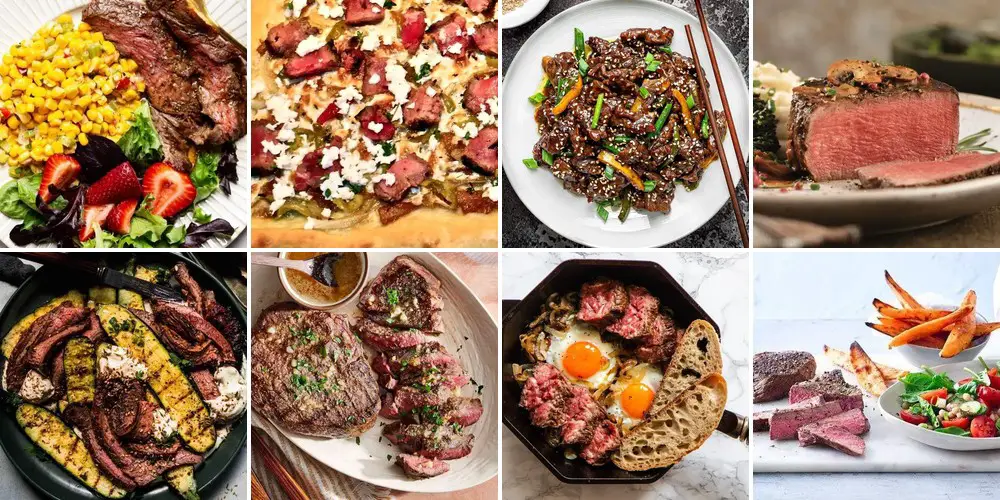
Affordable Sirloin Steak Recipes: Steakhouse Quality at Home
Dreaming of a succulent, perfectly cooked steak, complete with that irresistible sear and juicy interior, but don't want the hefty restaurant bill? You're in luck! Achieving steakhouse quality at home is not only possible but surprisingly affordable, especially when you master the versatile and flavorful sirloin steak. Often overlooked in favor of its pricier cousins like ribeye or New York strip, sirloin offers incredible value, a robust beefy flavor, and a satisfying texture that makes it a true weeknight champion and special occasion star alike. This comprehensive guide will unlock the secrets to preparing mouthwatering sirloin steak in your own kitchen. We’ll delve into what makes sirloin special, break down essential cooking techniques, and inspire you with easy, delicious recipes that prove you don't need a professional chef – or an unlimited budget – to enjoy a premium steak experience.Understanding Your Sirloin: A Cut Above the Rest
Before we fire up the pan or grill, let's get acquainted with this fantastic cut of beef. Sirloin steak gets its name from its origin on the cow, specifically from the back, towards the rear, right by the tenderloin and behind the short loin. This strategic placement gives sirloin its desirable characteristics: a strong, beef-forward flavor that stands up beautifully to various seasonings and cooking methods. What truly sets sirloin apart as an affordable, high-quality choice is its availability and composition. The sirloin area yields a significant amount of meat, making it less expensive per pound than cuts like filet mignon or strip steak, without compromising on taste or tenderness when prepared correctly.Top Sirloin vs. Bottom Sirloin: Knowing the Difference
The sirloin section is generally divided into two main parts:- Top Sirloin: This is the star of the show for quick-cooking methods. It's renowned for its balanced tenderness and robust flavor, making it ideal for pan-searing, grilling, or broiling. When you see "sirloin steak" at the butcher or grocery store, it's most often top sirloin. Its consistent texture ensures even cooking and satisfying results.
- Bottom Sirloin: This cut is a bit more muscular and generally tougher. It's better suited for longer cooking methods that help break down its fibers, such as roasting, braising, or slicing thin for stir-fries. While still flavorful, it requires a different approach to achieve tenderness. For the purpose of achieving that steakhouse sear and bite, we'll primarily focus on top sirloin.
Mastering Sirloin: Essential Tips for Tender, Juicy Results
Achieving that perfect, juicy, and tender sirloin steak isn't about complexity; it's about paying attention to a few crucial details. With these expert tips, you'll consistently deliver restaurant-quality results right from your kitchen.Preparation is Paramount
- Bring to Room Temperature: This is perhaps the most overlooked yet vital step. Remove your sirloin from the refrigerator about 30-60 minutes before cooking. A steak cooked from room temperature cooks more evenly from edge to center, preventing a cold, undercooked middle or an overcooked exterior.
- Pat Dry: Use paper towels to thoroughly pat both sides of the steak dry. Moisture on the surface inhibits the Maillard reaction – the browning process that creates that delicious, flavorful crust. A dry surface is key for a good sear.
- Season Generously: Don't be shy with the salt! A generous sprinkle of kosher salt on both sides, along with freshly ground black pepper, forms the foundation of great flavor. For a bolder taste, consider a steak rub or a mix of herbs like thyme, rosemary, and garlic powder. Salt helps to draw out some moisture initially, then gets reabsorbed, seasoning the meat from within.
The Art of Cooking: Methods for Success
Whether you prefer the sizzle of a pan or the char of a grill, these methods will help you cook your sirloin steak to perfection.Pan-Searing for a Perfect Crust
Pan-searing is ideal for creating that beautiful, dark crust while keeping the interior juicy. A cast-iron skillet is your best friend here.
- High Heat is Key: Heat your heavy-bottomed skillet over medium-high to high heat until it's smoking slightly. Add a high smoke point oil like grapeseed, avocado, or canola oil.
- Sear, Don't Press: Place the steak in the hot pan and sear undisturbed for 2-4 minutes per side, depending on thickness and desired doneness. Resist the urge to press down on the steak with tongs or a spatula; this squeezes out precious juices.
- Baste with Flavor (Optional): In the last minute or two of cooking, add a knob of butter, a few sprigs of fresh rosemary or thyme, and crushed garlic cloves to the pan. Tilt the pan and spoon the melted butter and aromatics over the steak repeatedly. This adds incredible flavor and helps create an even crust.
- Oven Finish (Optional for Thicker Steaks): For thicker sirloin steaks (1.5 inches or more), sear for 2-3 minutes per side, then transfer the skillet to a preheated 375°F (190°C) oven to finish cooking to your desired internal temperature. This "reverse sear" technique ensures even doneness.
Grilling for Smoky Perfection
Nothing beats the smoky char of a grilled sirloin steak, especially in warmer weather.
- Preheat the Grill: Get your grill grates screaming hot over direct high heat. This creates those coveted grill marks and a fantastic sear. Clean the grates thoroughly to prevent sticking.
- Sear and Rotate: Place the seasoned sirloin on the hot grates. Sear for 2-3 minutes, then rotate 90 degrees to create crosshatch grill marks. Flip and repeat on the other side.
- Move to Indirect Heat (if needed): For thicker steaks, after searing both sides, move the sirloin to a cooler part of the grill (indirect heat) to finish cooking to your desired doneness, with the lid closed.
The Critical Post-Cook Steps
- Rest Your Steak: As soon as the steak reaches your desired internal temperature (see internal temperature guide below), remove it from the heat and transfer it to a cutting board. Tent it loosely with foil and let it rest for 5-10 minutes. This crucial step allows the juices, which have migrated to the center during cooking, to redistribute throughout the meat, ensuring every bite is moist and flavorful. Skipping this step means all those delicious juices will just spill out onto your board when you slice it.
- Slice Against the Grain: Once rested, slice the sirloin steak against the grain (perpendicular to the visible muscle fibers). This shortens the fibers, making each bite significantly more tender and enjoyable.
Internal Temperature Guide for Sirloin Steak:
- Rare: 120-125°F (49-52°C) – Cool red center
- Medium-Rare: 130-135°F (54-57°C) – Warm red center
- Medium: 140-145°F (60-63°C) – Warm pink center
- Medium-Well: 150-155°F (66-68°C) – Slightly pink center
- Well-Done: 160°F+ (71°C+) – Little to no pink
Remember that the temperature will rise by 5-10 degrees during resting, so pull your steak off the heat a few degrees before your target.
Affordable Sirloin Steak Recipes: Steakhouse Quality, Home Budget
Now that you're armed with the knowledge, let's turn that humble sirloin steak into a culinary masterpiece. Here are a couple of ideas to get you started:1. Garlic Butter Sirloin: The Ultimate Steakhouse Classic
This recipe epitomizes steakhouse luxury with minimal effort and cost. The rich, herbaceous garlic butter permeates every fiber, elevating the natural beefy flavor of the sirloin.Ingredients:
- 1-1.5 lb top sirloin steak (about 1-inch thick)
- 1 tbsp olive oil or grapeseed oil
- 2 tbsp unsalted butter
- 3-4 cloves garlic, smashed or minced
- 2 sprigs fresh rosemary or thyme
- Salt and freshly ground black pepper to taste
Instructions:
- Follow the preparation tips above: bring sirloin to room temperature, pat dry, and season generously with salt and pepper.
- Heat olive oil in a heavy-bottomed skillet (preferably cast iron) over high heat until shimmering and almost smoking.
- Carefully place the sirloin steak in the hot pan. Sear for 2-4 minutes per side, depending on desired doneness, until a beautiful, dark crust forms.
- Reduce heat to medium. Add butter, garlic, and rosemary/thyme to the pan. As the butter melts, tilt the pan and continually baste the steak with the fragrant butter for 1-2 minutes.
- Remove the steak from the pan and let it rest, tented with foil, for 5-10 minutes.
- Slice against the grain and spoon any remaining garlic butter from the pan over the sliced steak before serving.
2. Pan-Seared Sirloin with Balsamic Glaze & Roasted Vegetables
This recipe pairs the rich sirloin with a tangy-sweet glaze and healthy, vibrant vegetables, creating a complete and balanced meal.Ingredients:
- 1-1.5 lb top sirloin steak
- 1 tbsp olive oil
- Salt and pepper to taste
- For the Balsamic Glaze:
- 1/2 cup balsamic vinegar
- 1 tbsp brown sugar or honey
- For Roasted Vegetables:
- 1 lb mixed vegetables (broccoli florets, bell peppers, asparagus, cherry tomatoes), cut into bite-sized pieces
- 1 tbsp olive oil
- Salt, pepper, garlic powder to taste
Instructions:
- Preheat oven to 400°F (200°C). Toss vegetables with olive oil, salt, pepper, and garlic powder. Spread on a baking sheet and roast for 15-20 minutes until tender-crisp.
- While vegetables roast, prepare the sirloin as per the preparation tips (room temperature, pat dry, season).
- In a small saucepan, combine balsamic vinegar and brown sugar/honey. Bring to a simmer over medium heat and cook, stirring occasionally, for 8-12 minutes, or until the glaze has thickened enough to coat the back of a spoon. Be careful not to let it burn.
- Heat olive oil in a heavy-bottomed skillet over high heat. Sear the sirloin steak for 3-5 minutes per side until a crust forms and it reaches your desired doneness.
- Remove steak from pan and let it rest, tented with foil, for 5-10 minutes.
- Slice the sirloin against the grain. Serve alongside the roasted vegetables, drizzled with the balsamic glaze.
