Sirloin Steak Explained: Your Ultimate Guide to Cuts, Cooking, and Culinary Perfection
Often hailed as a steakhouse favorite without the premium price tag, sirloin steak offers a compelling blend of robust beefy flavor, satisfying texture, and remarkable versatility. Whether you're a seasoned grill master or a home cook looking to elevate your weeknight meals, understanding the nuances of this popular cut can unlock a world of delicious possibilities. From its origins on the cattle to the best cooking methods and expert tips for achieving a tender, juicy result, this comprehensive guide will transform you into a sirloin steak connoisseur.
What Exactly is Sirloin Steak? Unpacking This Popular Cut
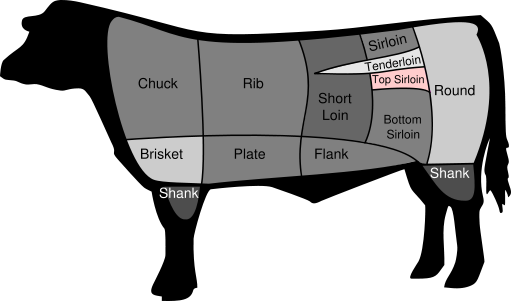
The name "sirloin" itself hints at its location on the animal. Sirloin steak is cut from the sirloin primal, an area situated on the back of the cow, towards the rear, nestled conveniently behind the short loin (home to cuts like T-bone and porterhouse) and adjacent to the tenderloin. This strategic placement contributes to the steak's desirable characteristics.
While not as buttery-soft as a tenderloin or as marbled as a ribeye, sirloin distinguishes itself with a pronounced beef flavor and a satisfying chew that isn't overly tough. It strikes an excellent balance between taste, texture, and affordability, making it a go-to choice for many steak enthusiasts. Its structural integrity also means it holds its shape exceptionally well during cooking, making it particularly popular for grilling and pan-searing. At the butcher shop, you'll often find sirloin as a more budget-friendly alternative to pricier cuts like New York strip or filet mignon, without compromising on a true steak experience.
Understanding the Different Cuts of Sirloin
The sirloin primal is actually divided into two main sections, each yielding different characteristics and best uses:
- Top Sirloin: This is the cut most people envision when they hear "sirloin steak." Located higher on the animal, it's generally more tender and consistent in texture than its counterpart. Top sirloin is celebrated for its excellent flavor and adaptability to quick cooking methods such as grilling, pan-searing, and broiling. Its relative leanness combined with good beefy taste makes it a superb choice for a classic steak dinner. When you're aiming for a juicy, flavorful steak cooked quickly, top sirloin should be your primary selection.
- Bottom Sirloin: Situated lower on the animal, the bottom sirloin is comprised of more muscular cuts. This makes it a bit tougher than the top sirloin and better suited for longer, slower cooking methods. Cuts derived from the bottom sirloin often include the sirloin tip roast, tri-tip, or various ground beef applications. While it requires a different approach to achieve tenderness, the bottom sirloin still boasts a rich beef flavor. It excels in recipes like roasts, stews, or braises, where extended cooking breaks down the connective tissues, resulting in succulent, fall-apart tender meat. For an economical option that transforms beautifully with time and moisture, the bottom sirloin is ideal.
Mastering Sirloin Steak: Essential Cooking Methods for Every Cut
The beauty of sirloin lies in its adaptability. While top sirloin shines in quick, high-heat applications, bottom sirloin benefits immensely from slow, moist cooking. Here's how to tackle each:
Grilling Top Sirloin: The Outdoor Classic
Grilling is arguably the most popular method for cooking top sirloin, and for good reason. The high, direct heat creates a beautiful char and smoky flavor that perfectly complements the steak's inherent beefiness.
- Preparation: Pat your steak dry with paper towels to encourage a better sear. Season generously with salt and pepper, or your favorite steak rub.
- Method: Preheat your grill to high heat (450-500°F / 230-260°C). Sear the steak for 2-4 minutes per side for medium-rare, or longer for desired doneness. Use a meat thermometer to check internal temperature (130-135°F for medium-rare).
- Pro Tip: Achieve attractive grill marks by rotating the steak 45 degrees halfway through cooking on each side.
Pan-Searing Top Sirloin: The Indoor Steakhouse Experience
For steakhouse-quality results in your kitchen, pan-searing is an unbeatable technique. It creates an incredible crust while keeping the interior tender and juicy.
- Preparation: Ensure your steak is at room temperature and thoroughly patted dry. Season liberally.
- Method: Heat a heavy-bottomed skillet (cast iron is ideal) over high heat until it's smoking slightly. Add a high smoke point oil (like grapeseed or avocado) or clarified butter. Carefully place the steak in the hot pan and sear for 3-5 minutes per side, depending on thickness, until a deep brown crust forms. For thicker steaks, you can finish by transferring the skillet to a preheated oven (375°F / 190°C) for a few minutes until desired doneness is reached. Baste with butter, garlic, and herbs during the last few minutes for extra flavor.
- Expert Insight: Don't overcrowd the pan; cook steaks one or two at a time to maintain high heat and ensure proper searing.
Roasting or Braising Bottom Sirloin: Slow-Cooked Perfection
When working with bottom sirloin cuts, slow and low is the way to go. These methods break down tough fibers, yielding incredibly tender results.
- Roasting: For larger bottom sirloin cuts like a sirloin tip roast, slow roasting in the oven at a moderate temperature (e.g., 325°F / 160°C) allows for even cooking and tenderization. Searing the roast first on all sides can lock in flavor.
- Braising: This method involves searing the meat, then simmering it in a flavorful liquid (broth, wine, tomatoes) in a covered pot or Dutch oven for several hours until fork-tender. Braising is perfect for creating hearty stews or pulled beef dishes.
- Recommendation: Consider marinating bottom sirloin cuts overnight to further tenderize and infuse flavor before cooking.
Expert Tips for a Perfectly Tender & Juicy Sirloin
Achieving consistently delicious sirloin steak isn't just about the cooking method; it's also about attention to detail. Follow these expert tips for results that rival any steakhouse:
- Choose Top Sirloin When Possible: For quick-cook applications like grilling or pan-searing, top sirloin is your best bet due to its inherent tenderness and consistent texture. Look for cuts with a vibrant red color and some fine marbling.
- Bring to Room Temperature: Allow your sirloin steak to rest out of the refrigerator for 30-60 minutes before cooking. This ensures the steak cooks more evenly from edge to center, preventing a cold, raw core and an overcooked exterior.
- Season Liberally and Strategically:
- Salt: Apply a generous amount of coarse salt (kosher or sea salt) to all sides of the steak at least 30-45 minutes before cooking, or even overnight. This process, known as dry brining, draws out moisture, then reabsorbs it, seasoning the meat from within and contributing to a better sear.
- Pepper & Herbs: Add freshly ground black pepper just before cooking, as pepper can burn at high temperatures. Feel free to experiment with other flavors like garlic powder, onion powder, or fresh herbs like rosemary and thyme.
- Worcestershire Sauce: A light brush of Worcestershire sauce before cooking can add an umami depth that complements beef beautifully.
- Pat Dry, Then Sear Over High Heat: A dry surface is crucial for achieving that coveted, flavorful crust (the Maillard reaction). Pat the steak thoroughly dry with paper towels just before it hits the heat. Then, cook over intensely high heat – whether on a grill or in a skillet – to lock in juices and develop a rich outer layer.
- Resist the Press: Avoid the temptation to press down on your steak with tongs or a spatula while it cooks. This action forces precious juices out of the meat, leading to a dry, less flavorful result. Let the heat do its work undisturbed.
- Utilize a Meat Thermometer: The only truly reliable way to gauge doneness is with an instant-read meat thermometer.
- Rare: 120-125°F (49-52°C)
- Medium-Rare: 130-135°F (54-57°C)
- Medium: 135-140°F (57-60°C)
- Medium-Well: 140-145°F (60-63°C)
- Remember: steak internal temperature will rise a few degrees during resting.
- Rest After Cooking: This is a non-negotiable step for a juicy steak. Once cooked, transfer the sirloin to a cutting board, tent it loosely with foil, and let it rest for 5-10 minutes. This allows the internal juices, which have migrated to the center during cooking, to redistribute throughout the meat. Skip this, and all those delicious juices will simply pool on your cutting board when you slice.
- Slice Against the Grain: When it's time to serve, always slice your sirloin against the grain. This means cutting perpendicular to the visible muscle fibers. Shortening these fibers with each slice makes the steak significantly more tender and easier to chew, enhancing the overall eating experience.
Flavorful Sirloin Steak: Seasoning, Pairings & Culinary Inspiration
While a simple salt and pepper seasoning allows the inherent beef flavor of sirloin to shine, this versatile cut also welcomes a variety of flavor enhancements. Beyond the basics, consider finishing your grilled or pan-seared sirloin with a dollop of compound butter infused with garlic, herbs, or blue cheese for an extra layer of decadence. Marinades can also work wonders, especially for slightly tougher cuts or when you want to infuse specific flavors like teriyaki, balsamic, or lemon-herb. The rich flavor of sirloin pairs beautifully with a range of sides, from classic mashed potatoes and roasted asparagus to fresh green salads or creamy polenta.
Craving steakhouse quality at home without the hefty price tag? Sirloin is your answer. For a treasure trove of ideas, explore Affordable Sirloin Steak Recipes: Steakhouse Quality at Home. And for an even deeper dive into perfecting your technique, our guide on Mastering Sirloin Steak: Your Guide to Tender, Juicy Results offers additional insights and tips.
Conclusion
Sirloin steak truly stands out as a fantastic option for anyone seeking a flavorful, satisfying, and relatively affordable beef experience. By understanding the differences between top and bottom sirloin, employing the right cooking methods for each, and applying a few expert tips, you can consistently achieve tender, juicy, and delicious results right in your own kitchen. So go ahead, confidently select your cut, fire up the grill or preheat that skillet, and prepare to enjoy one of life's simple, yet profound, culinary pleasures.
