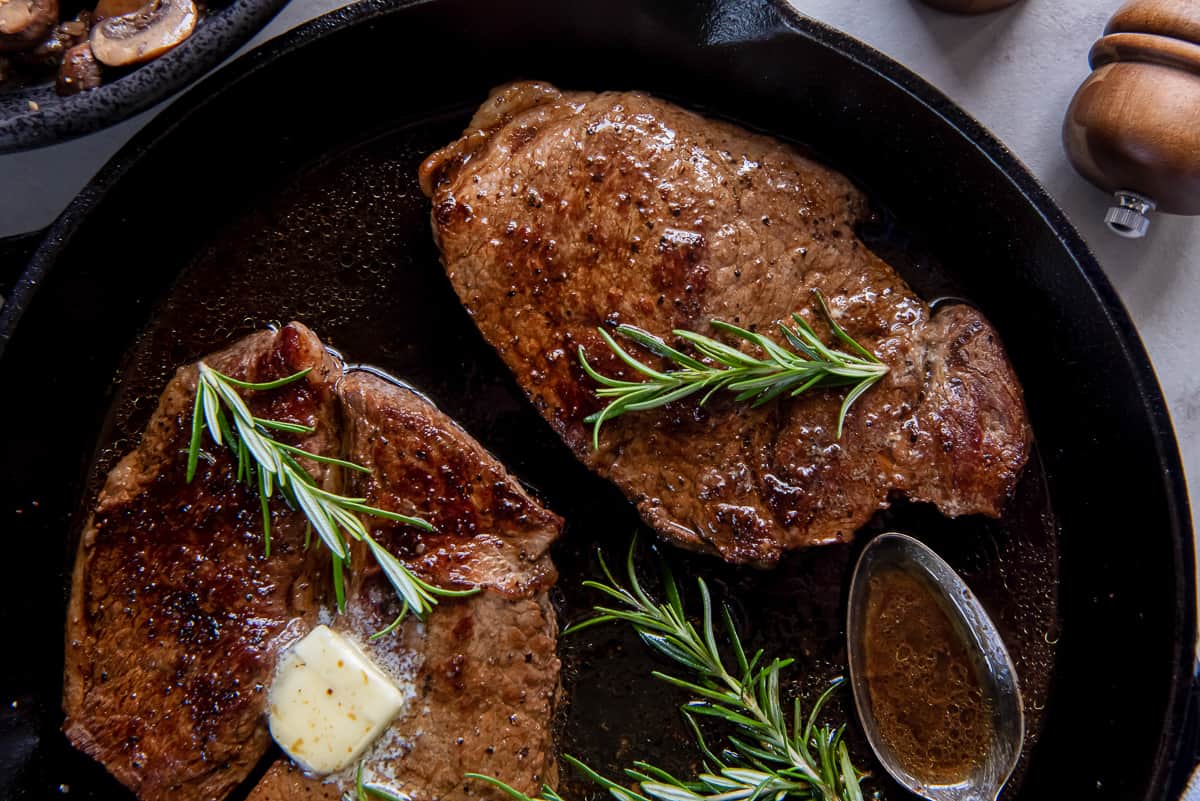
Unlock the secrets to cooking a truly exceptional sirloin steak right in your own kitchen. Often considered a steakhouse staple, sirloin offers a remarkable balance of robust beef flavor and satisfying texture without the premium price tag of a ribeye or New York strip. Whether you're planning a quick weeknight dinner or aiming to impress guests, mastering this versatile cut will elevate your culinary game and consistently deliver tender, juicy results.
The Allure of Sirloin Steak: Why It's a Cut Above
What exactly is a sirloin steak, and what makes it such a popular choice among steak enthusiasts and home cooks alike? Derived from the sirloin primal cut of the cow, located on the animal's back towards the rear, this area yields several distinct cuts. Its proximity to the tenderloin and short loin (home to T-bones and porterhouses) means it benefits from a desirable muscle structure.
Sirloin is celebrated for its deep, beefy flavor and excellent texture. While it might not boast the intense marbling of a ribeye, its inherent tenderness, especially in certain cuts, makes it ideal for various cooking methods. Crucially, it stands out as a more affordable sirloin steak option compared to its pricier counterparts, allowing you to enjoy steakhouse quality without breaking the bank.
Understanding Sirloin Cuts: Top vs. Bottom
The sirloin area is broadly divided into two main sections: the top sirloin and the bottom sirloin. Knowing the difference is key to achieving optimal results:
- Top Sirloin Steak: This is the cut you'll most commonly find labeled simply as "sirloin steak." It's highly prized for its consistency, tenderness, and rich flavor. Top sirloin is perfect for quick-cooking methods like grilling, pan-searing, and broiling, as it remains wonderfully juicy and tender under high heat.
- Bottom Sirloin: Generally larger and somewhat tougher due to more connective tissue and muscle fibers, bottom sirloin cuts are better suited for longer, slower cooking methods. Think roasts, braises, or even thinly sliced for stir-fries, where the extended cooking time can break down the fibers and yield tenderness.
For the tender, juicy steak you envision for your grill or skillet, always opt for top sirloin steak. Its inherent qualities make it the ideal candidate for a quick and satisfying meal.
Preparation is Key: Setting the Stage for Perfection
Even the finest cut of beef requires proper preparation to unlock its full potential. A few simple steps before you even think about heat can make a world of difference in your sirloin steak experience.
Bringing Your Steak to Room Temperature
One of the most crucial, yet often overlooked, steps is allowing your sirloin to come to room temperature before cooking. Remove your steak from the refrigerator about 45 minutes to an hour before you plan to cook it. This seemingly small act makes a significant impact:
- Even Cooking: A cold steak will cook unevenly, with the outside potentially overcooked by the time the center reaches your desired doneness. Room temperature allows for a more consistent transfer of heat, ensuring an evenly cooked steak from edge to center.
- Better Sear: A room-temperature steak will achieve a superior sear and crust because the pan's heat doesn't have to work as hard to overcome the initial chill.
Seasoning for Flavor and Moisture
Sirloin steak boasts a naturally robust beef flavor, meaning it doesn't require complex marinades to shine. However, a generous hand with seasoning is essential. Always start with a liberal application of coarse salt (like kosher or sea salt) prior to its room-temperature rest. Salt not only enhances flavor but also helps to draw moisture to the surface, which then reabsorbs, resulting in a more seasoned and juicy steak – a process often referred to as "dry brining."
Just before cooking, add a fresh grind of black pepper. Beyond the basics, consider these delicious additions:
- Simple Herbs: A sprinkle of dried thyme, rosemary, or a touch of garlic powder can add aromatic depth.
- Steak Rubs: Many pre-made steak seasonings offer a convenient blend of spices that complement sirloin beautifully.
- Worcestershire Sauce: A light brush of Worcestershire sauce can add a subtle umami kick and a hint of tanginess.
After seasoning, pat your steak thoroughly dry with paper towels. Excess surface moisture prevents a good sear, effectively steaming the meat instead of browning it. A dry surface is paramount for that coveted, flavorful crust.
Mastering Cooking Methods for Sirloin Steak
The beauty of top sirloin steak lies in its versatility. It excels with high-heat cooking methods that quickly caramelize the exterior while keeping the interior succulent. Here are the most popular approaches:
Grilling Your Sirloin to Perfection
Grilling is a favorite for sirloin due to the smoky flavor and beautiful char it imparts. Preheat your grill to high heat (around 450-500°F / 230-260°C). Brush the grates with a high-smoke-point oil to prevent sticking. Place the seasoned sirloin on the hot grill, searing for 2-4 minutes per side for a gorgeous crust. Then, move to a slightly cooler part of the grill, or reduce heat, to finish cooking to your desired doneness. Remember to flip only once or twice.
Pan-Searing for a Restaurant-Quality Crust
A heavy-bottomed skillet, especially cast iron, is ideal for pan-searing. Heat the pan over medium-high to high heat until it's smoking lightly. Add a high-smoke-point oil (like canola, grapeseed, or avocado oil). Once the oil shimmers, carefully place your dry, seasoned sirloin steak in the pan. Sear for 2-3 minutes per side until a deep brown crust forms. For added flavor, you can drop in a pat of butter, a few sprigs of rosemary, and crushed garlic cloves during the last minute of cooking, basting the steak generously.
Finishing in the Oven (for Thicker Cuts)
For thicker sirloin steaks (over 1.5 inches), a pan-sear followed by a finish in the oven can ensure even cooking. After searing both sides in a hot skillet, transfer the pan directly to a preheated oven (around 375-400°F / 190-200°C) until it reaches your desired internal temperature. This method helps prevent the exterior from burning while the interior slowly comes to temperature.
The Secrets to Unbelievably Tender & Juicy Sirloin
Beyond the cooking method, certain techniques are non-negotiable for achieving that signature tender and juicy bite. These are the details that separate a good steak from a truly great one.
- Don't Press the Steak: As tempting as it might be to press down on the steak with a spatula or tongs, resist the urge! This forces valuable juices out of the meat, leading to a dry and tough result. Let the heat and the steak do their work uninterrupted.
- Monitor Internal Temperature: The best way to ensure perfect doneness is with an instant-read meat thermometer. Insert it into the thickest part of the steak, away from any bone.
- Rare: 120-125°F (49-52°C)
- Medium-Rare: 130-135°F (54-57°C)
- Medium: 135-140°F (57-60°C)
- Medium-Well: 140-145°F (60-63°C)
- The Crucial Rest: This is arguably the most vital step for a juicy steak. Once cooked, transfer your sirloin steak to a cutting board, tent it loosely with aluminum foil, and let it rest for 5-10 minutes. During cooking, muscle fibers contract and push juices to the center. Resting allows these fibers to relax and the juices to redistribute evenly throughout the meat. Skip this, and all those delicious juices will spill out onto your cutting board when you slice, leaving you with a drier steak.
- Slice Against the Grain: After resting, slice your sirloin against the grain. Look closely at the steak; you'll see lines running in a particular direction – these are the muscle fibers. By slicing perpendicular to these fibers, you shorten them, making each bite much more tender and easier to chew. This is especially important for sirloin, which has longer muscle fibers than some other cuts.
Beyond the Basics: Elevating Your Sirloin Experience
With your perfectly cooked sirloin steak ready, consider a few enhancements to truly complete the meal.
Flavor Enhancements and Pairings
- Garlic Herb Butter: A classic for a reason. Combine softened butter with minced garlic, fresh parsley, chives, and a squeeze of lemon juice. Dollop a generous amount over the hot, rested steak before serving. The butter will melt into the crevices, infusing every bite with rich flavor.
- Sauces: Consider a vibrant chimichurri, a classic béarnaise, or a simple pan sauce made with red wine, shallots, and beef broth for an extra layer of complexity.
- Sides: Sirloin pairs beautifully with a range of sides. Think roasted asparagus, creamy mashed potatoes, grilled corn on the cob, or a crisp green salad.
- Wine Pairing: A medium to full-bodied red wine like Cabernet Sauvignon, Merlot, or a Syrah will beautifully complement the robust flavors of sirloin steak.
By understanding the nuances of sirloin steak, from selecting the right cut to mastering the art of the rest, you're well on your way to creating memorable meals. This approachable yet flavorful cut offers endless possibilities for delicious, satisfying dishes, proving that sirloin steak explained with expert tips can truly transform your home cooking.
With these comprehensive tips and techniques, you're now equipped to turn a simple cut of beef into a culinary masterpiece. Embrace the journey of mastering sirloin steak, and enjoy the tender, juicy rewards that await!
